
 By Joe Szabo, Scottsdale Real Estate Team
Buyers and sellers often enter the market with misconceptions about real estate agents — how we work, how the process works and what the agency relationship is all about.
It’s helpful to point out, without getting too far into the weeds, that in any one real estate transaction, there are most likely two agents: one for the buyer and one for the seller.
Here are five myths (and five truths) about working with both buyer’s and seller’s agents.
By Joe Szabo, Scottsdale Real Estate Team
Buyers and sellers often enter the market with misconceptions about real estate agents — how we work, how the process works and what the agency relationship is all about.
It’s helpful to point out, without getting too far into the weeds, that in any one real estate transaction, there are most likely two agents: one for the buyer and one for the seller.
Here are five myths (and five truths) about working with both buyer’s and seller’s agents.
Don’t Believe These 5 Myths About Real Estate Agents By Joe Szabo, Scottsdale Real Estate Team
By Joe Szabo, Scottsdale Real Estate Team
Buyers and sellers often enter the market with misconceptions about real estate agents — how we work, how the process works and what the agency relationship is all about.
It’s helpful to point out, without getting too far into the weeds, that in any one real estate transaction, there are most likely two agents: one for the buyer and one for the seller.
Here are five myths (and five truths) about working with both buyer’s and seller’s agents.





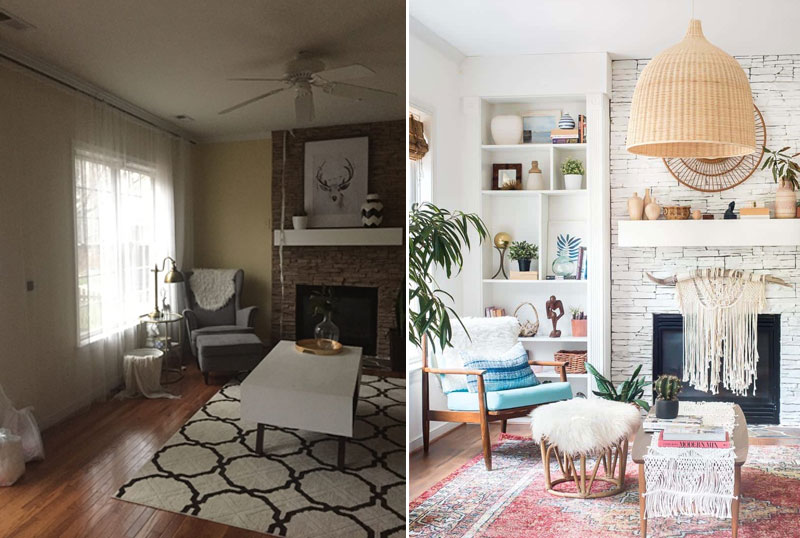 I still walk in sometimes and can’t even believe it’s the same room. Of course, there have been many other updates and projects to get this look, but the shelves definitely set the stage.
Let’s get started!
I still walk in sometimes and can’t even believe it’s the same room. Of course, there have been many other updates and projects to get this look, but the shelves definitely set the stage.
Let’s get started!
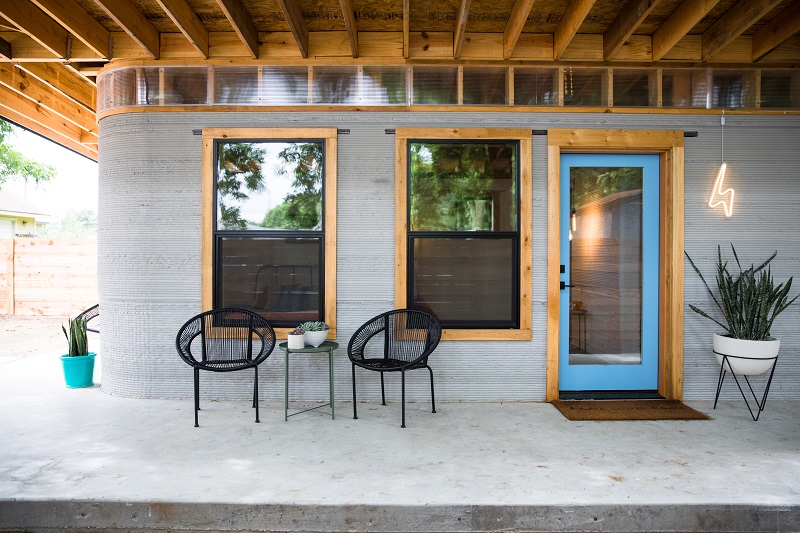 But 3D printing could be the silver bullet. ICON, a construction technologies company, designed a 3D printer to produce homes. A single-story home, with a total footprint measuring 600 to 800 square feet, can be printed in underserved communities in less than 24 hours.
The cost? Just $4,000.
“3D printing can deliver a house — and I mean fully deliver ready to move in — for about 30 percent less than conventional building,” explains Jason Ballard, ICON’s CEO and cofounder.
But 3D printing could be the silver bullet. ICON, a construction technologies company, designed a 3D printer to produce homes. A single-story home, with a total footprint measuring 600 to 800 square feet, can be printed in underserved communities in less than 24 hours.
The cost? Just $4,000.
“3D printing can deliver a house — and I mean fully deliver ready to move in — for about 30 percent less than conventional building,” explains Jason Ballard, ICON’s CEO and cofounder.
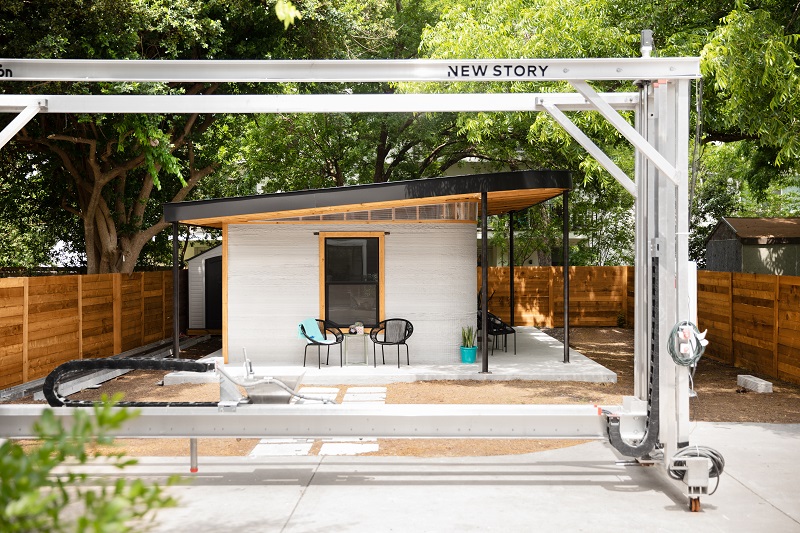 About a year ago, New Story and ICON partnered to print 100 homes in El Salvador. To test the technology, they printed a prototype in Austin, TX this March. It’s the first site-printed, permitted 3D-printed home in the U.S.
“One of our favorite things to hear about as we unveiled it was, ‘Holy cow, I would live in that house,’” Ballard recalls. “And that really made us feel like we had succeeded.”
About a year ago, New Story and ICON partnered to print 100 homes in El Salvador. To test the technology, they printed a prototype in Austin, TX this March. It’s the first site-printed, permitted 3D-printed home in the U.S.
“One of our favorite things to hear about as we unveiled it was, ‘Holy cow, I would live in that house,’” Ballard recalls. “And that really made us feel like we had succeeded.”
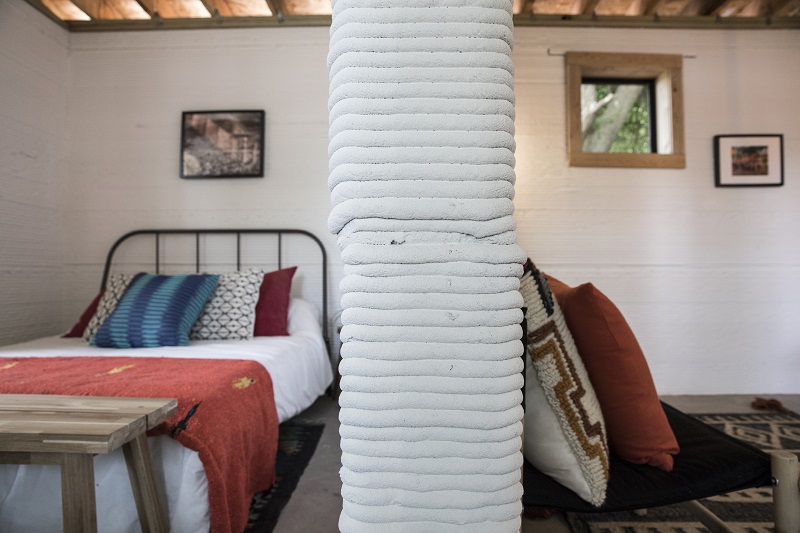 The prototype shows off what the technology can do — like printing curved walls and a sloped roof as easily as straight lines. The Austin home was printed in 47 hours, with the machine at quarter speed. ICON expects homes to be printed in 11 to 12 hours at full speed.
The prototype was printed to last in a developing country, not just Texas. Made of concrete, it’s strong and cool enough to withstand extreme temperatures, hurricanes and even earthquakes. Bonus: Printing homes produces zero waste.
The prototype shows off what the technology can do — like printing curved walls and a sloped roof as easily as straight lines. The Austin home was printed in 47 hours, with the machine at quarter speed. ICON expects homes to be printed in 11 to 12 hours at full speed.
The prototype was printed to last in a developing country, not just Texas. Made of concrete, it’s strong and cool enough to withstand extreme temperatures, hurricanes and even earthquakes. Bonus: Printing homes produces zero waste.
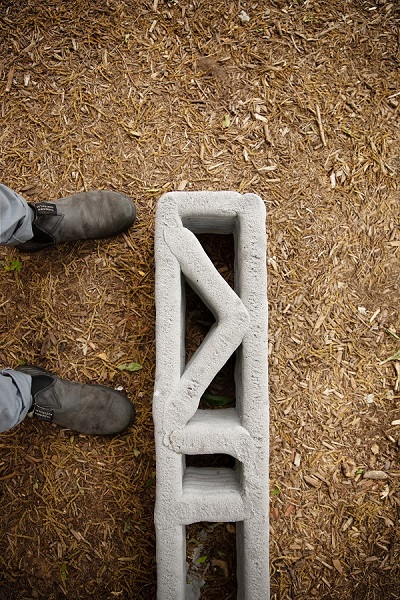 “We wanted to make this feel like the kind of house you could feel proud to live in,” Ballard adds. Knowing concrete can feel stark and uninviting, they planned the design to incorporate lots of natural light. The windows, roof and doors were added after the printing was complete.
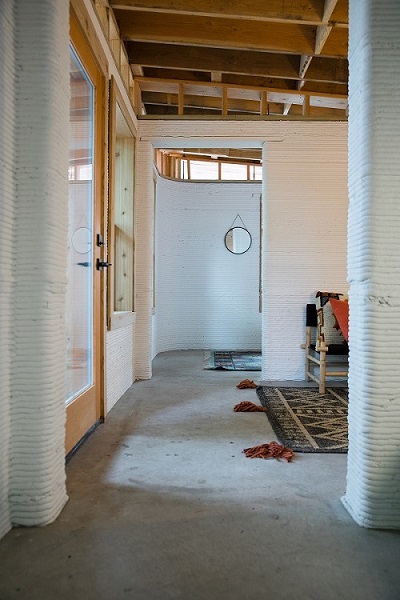 While the homes in El Salvador will be similar in size to the prototype, each design will be custom. New Story hosts workshops in each country they serve, asking families what they want in their future homes.
“Unfortunately, they’re not used to being asked for their input and their opinions,” Hagler says. “But when it finally clicks that we not only care, but we’re actually going to implement what they say — it’s really beautiful to watch.”
While the homes in El Salvador will be similar in size to the prototype, each design will be custom. New Story hosts workshops in each country they serve, asking families what they want in their future homes.
“Unfortunately, they’re not used to being asked for their input and their opinions,” Hagler says. “But when it finally clicks that we not only care, but we’re actually going to implement what they say — it’s really beautiful to watch.”
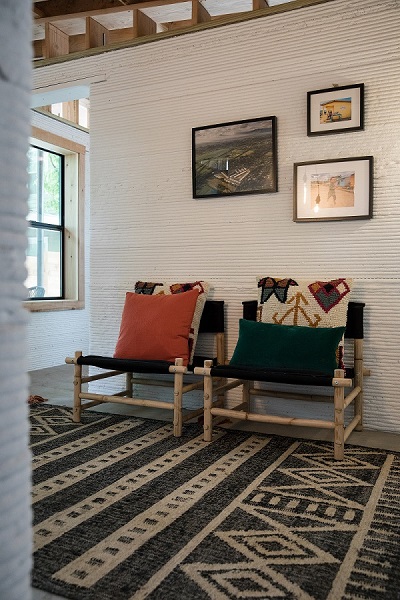 Each home will have 1 to 2 bedrooms, a bathroom with a shower and toilet, and a living room. The rest is up for debate.
“It’s about shelter, but it’s also about dignity, respect and ownership of your home,” Hagler adds.
Each home will have 1 to 2 bedrooms, a bathroom with a shower and toilet, and a living room. The rest is up for debate.
“It’s about shelter, but it’s also about dignity, respect and ownership of your home,” Hagler adds.
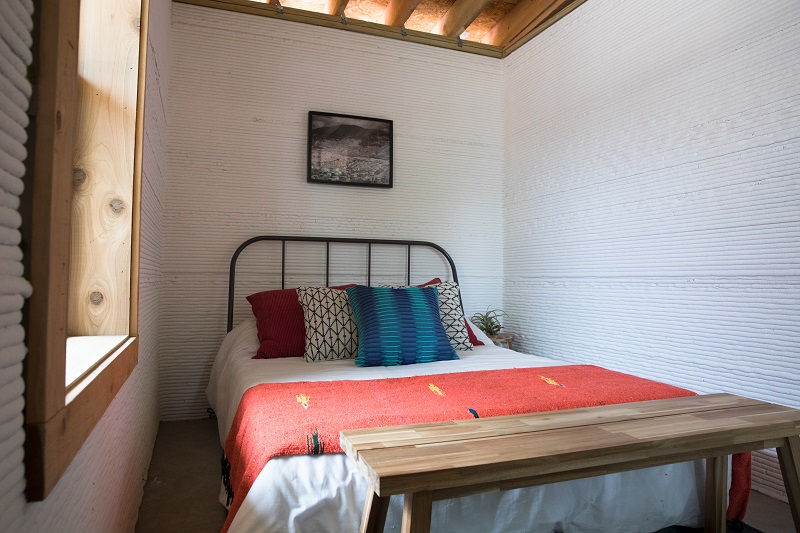 If the printing goes well, more communities will follow.
“This really is a paradigm shift,” Ballard notes. “With this technology, we can imagine for the first time what it would be like to end homelessness as a lack of shelter.”
If the printing goes well, more communities will follow.
“This really is a paradigm shift,” Ballard notes. “With this technology, we can imagine for the first time what it would be like to end homelessness as a lack of shelter.”