Consider the placement
First, consider your floor plan. Determine if you have the space, and consider the rooms you entertain in. Do friends and family congregate in the living room? Or are the kitchen and dining room the social hubs? If you want to install an ice maker or sink in your wet bar, you want to build it where there’s existing plumbing — perhaps on the backside of your kitchen or near a powder room. “I say skip the sink, because it limits your counter space and makes the project more expensive,” says Richmond, VA, interior decorator Lesley Glotzl. She notes that not many homeowners use wet-bar sinks for washing hands and glassware, and the space can be put to better use. Glotzl, who has rehabbed several clients’ wet bars, suggests maximizing your counter space, and in lieu of a sink, use plumbing for an ice maker. If you are a cocktail connoisseur, an ice maker will be more useful than a sink. “What’s fun about a home bar is you can do it very affordably,” says Glotzl. She recommends building a wet bar when doing a kitchen or bath renovation, because it’s more cost-effective and an easy project to tack on when you already have someone designing cabinets and countertops.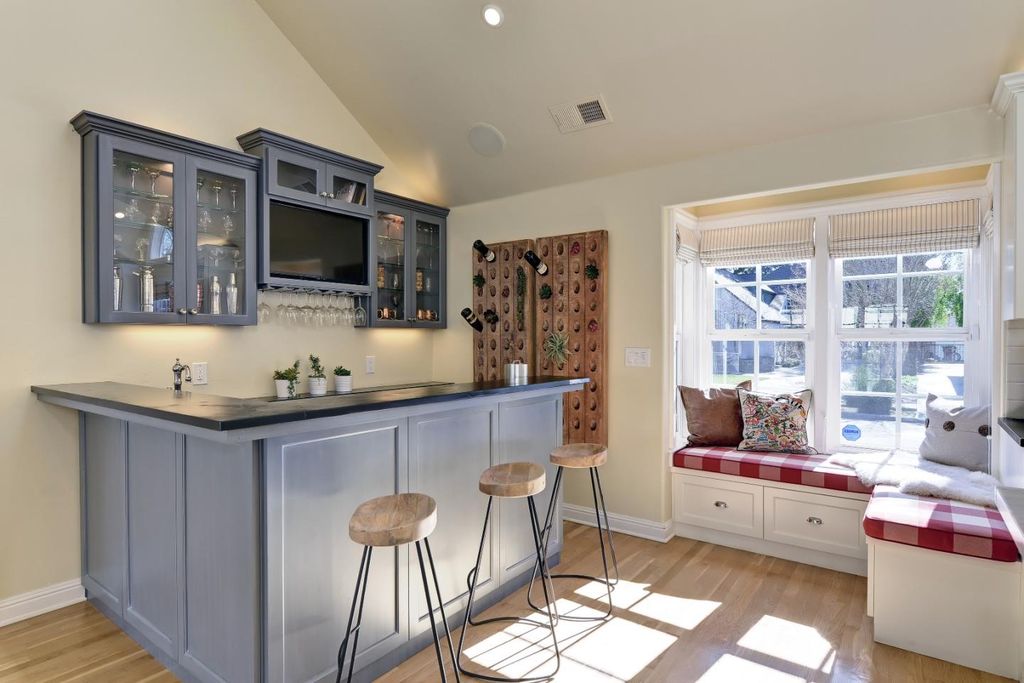
Fine-tune the details
A wet bar can be as simple as a piece of cabinetry with a countertop, upper cabinets, or shelves. If you want to get fancy, add appliances like an ice maker and refrigerator. Cabinetry below hides plumbing and tucks away bar tools, while open shelving above the bar is a fun option for showing off fancy cocktail glasses and a collection of spirits. Glotzl notes that a mirrored backsplash is worth considering, because it makes a wet-bar nook seem larger, while reflecting light back into the room. Glotzl recommends textured vinyl wallpapers by companies like Osborne & Little or Thibaut as another fun backsplash option. “The wallpapers are durable, and give the bar a little pop,” she says. Don’t be afraid to get adventurous and creative. Add drama by painting cabinetry a bright color, or add a high-gloss lacquer finish. You can make a bold statement in a small space. Hang a funky pendant light or mount two sconces to showcase your small saloon. Glotzl notes that lighting is essential, because it helps to highlight and frame the space.Get fancy
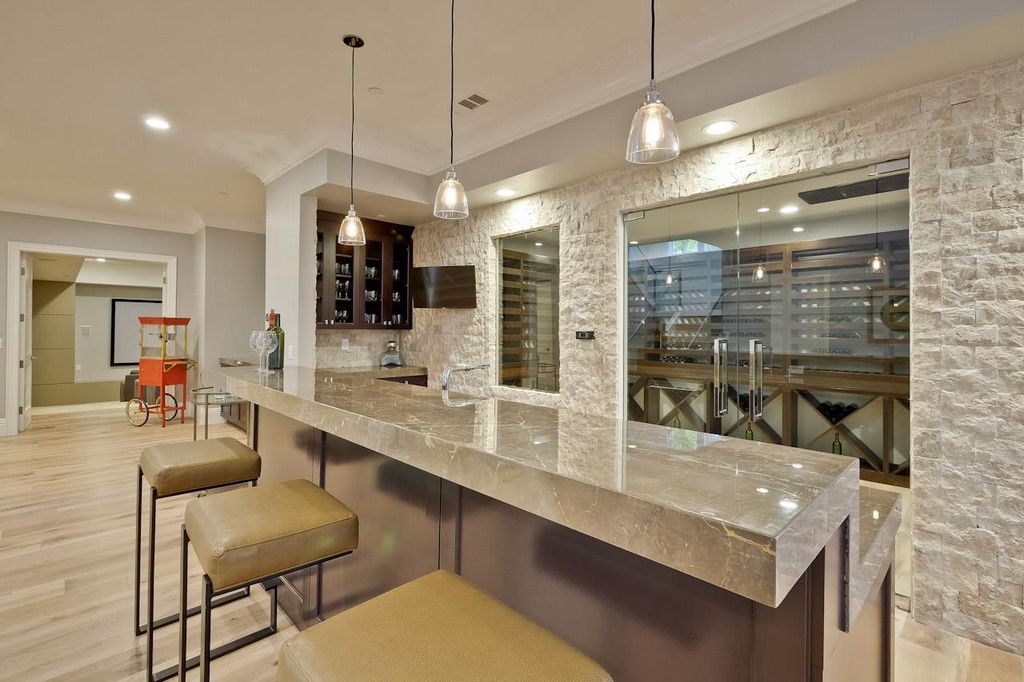
If you’re looking to up your game, you can add specialty appliances like dual-zone refrigerators. “What’s nice about ice makers, wine coolers, and beverage refrigerators is that they are a standard size,” says Glotzl. “You can just pop it into place like a cabinet.” So, no need to worry about installation — just move it into place and plug it in. For a small-scale wet bar, go straight to a kitchen design company, or coordinate it yourself by hiring a handyperson, electrician, and plumber. On the other hand, if you want to go big and turn an entire room into a bar, or create a custom wet bar with unique appliances and restaurant-grade equipment like beer and wine taps, that’s another story. For a high-end bar with modern accouterments, you’ll need to call on a company like Wallace & Hinz, which specializes in custom bars for restaurants, clubs, and residences.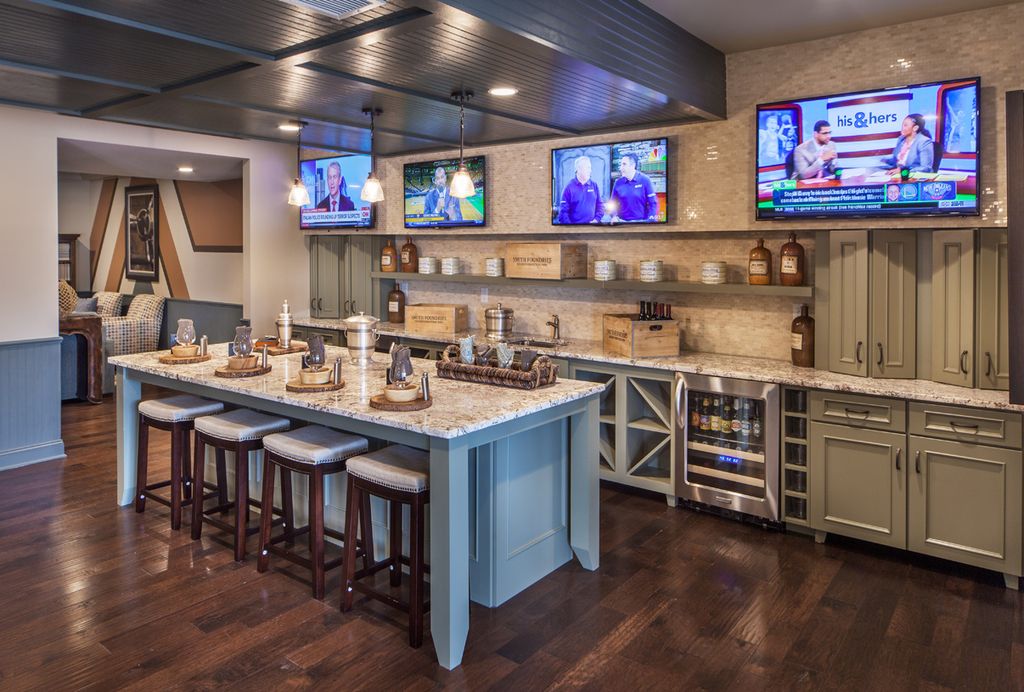
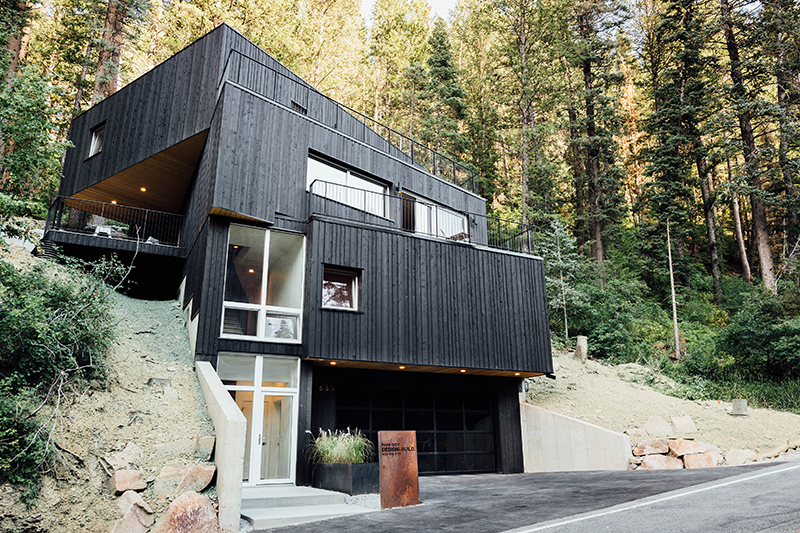
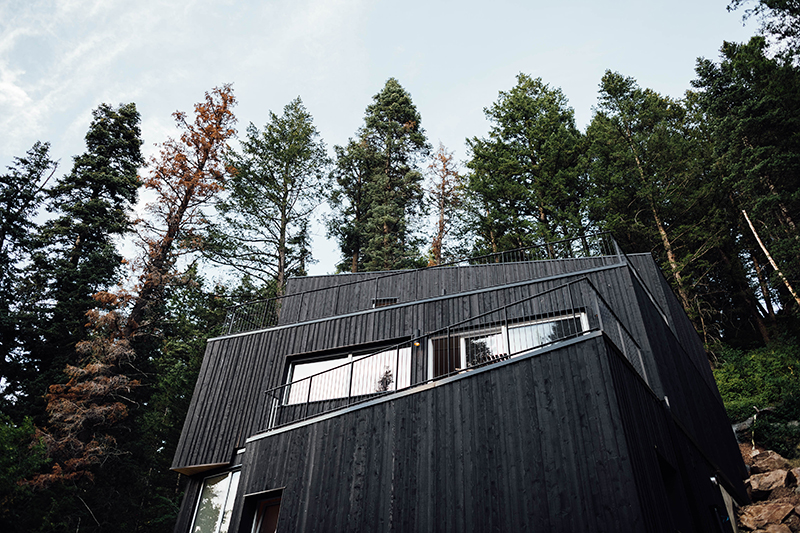 Built just this year by Park City Design+Build, the home — aptly nicknamed the Treehaus — is state-of-the-art in every sense of the word. Its energy efficiency is said to be two to three times greater than nearly any other home in the world.
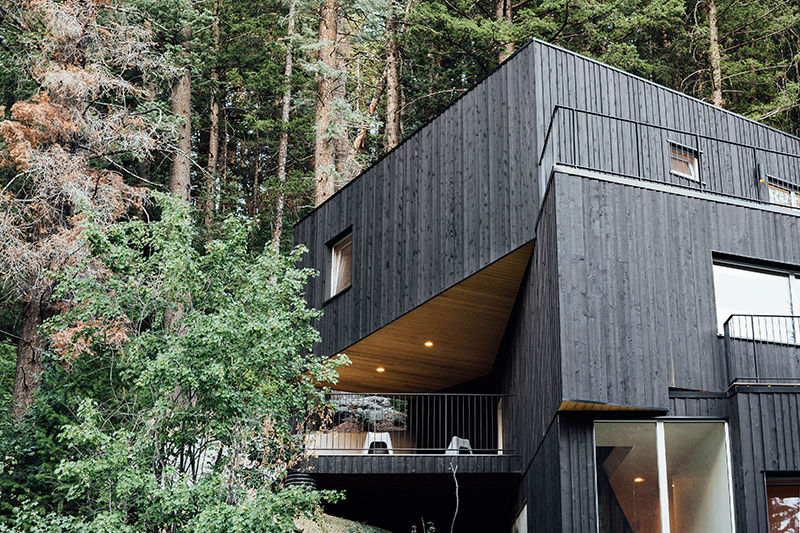
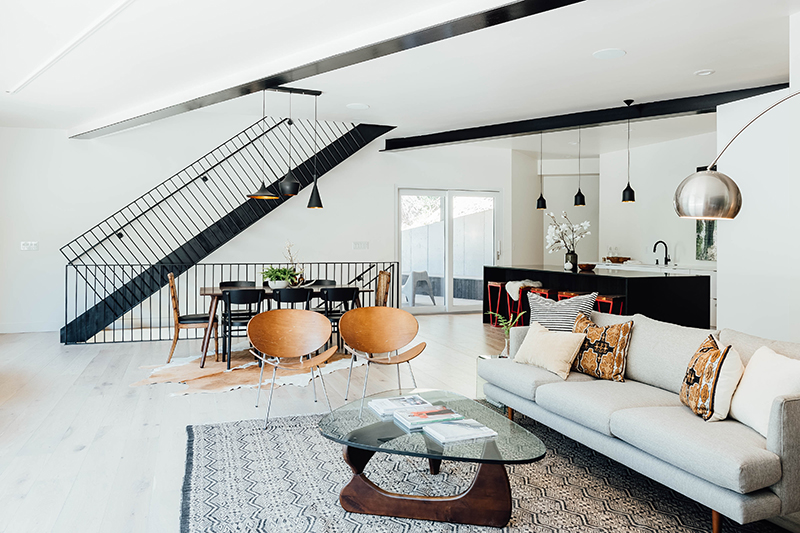
 The home’s interior is also something to brag about: Light oak floors, exposed beams and beautiful dark staircases dazzle in the abundant natural light that flows throughout the house.
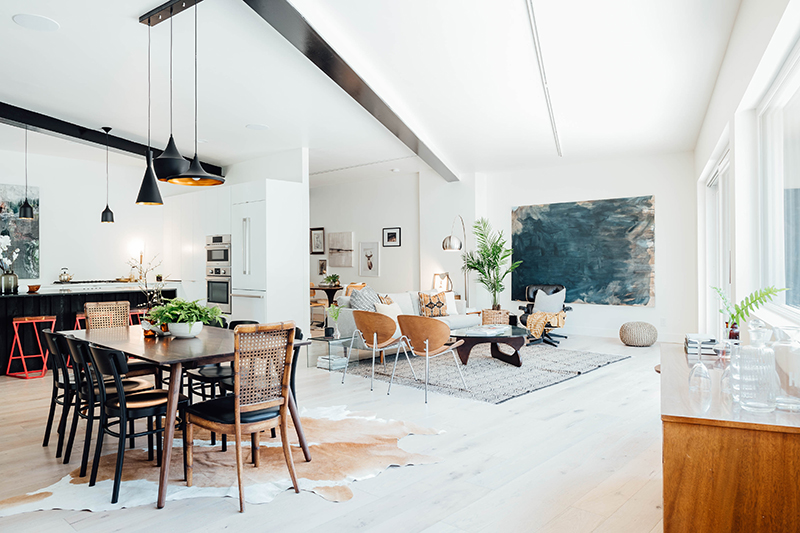 The kitchen is especially impressive, with sleek white cabinets that contrast beautifully against a large dark island.
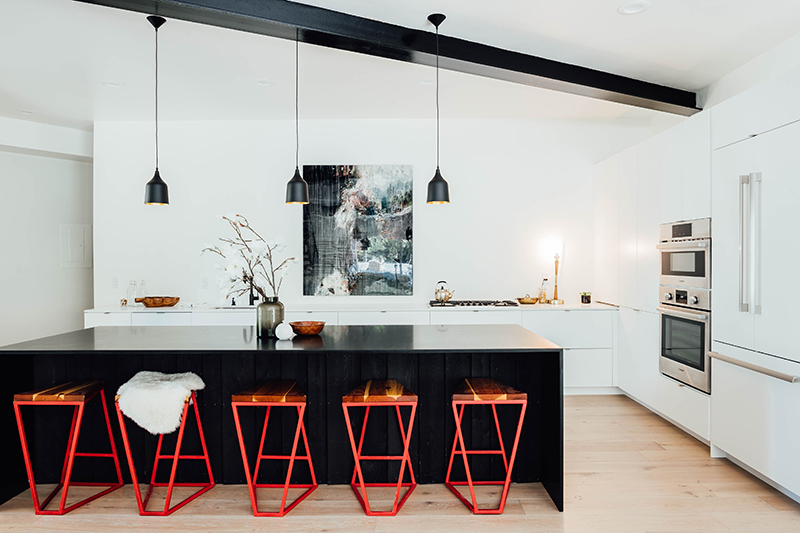
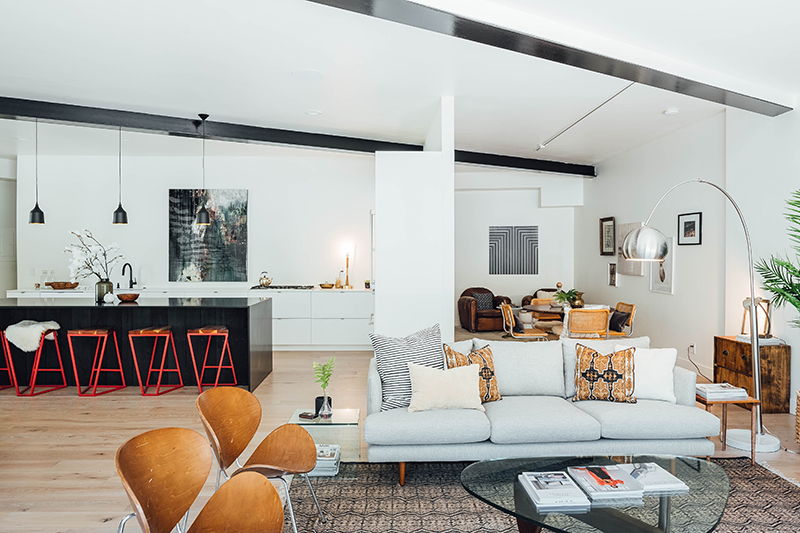
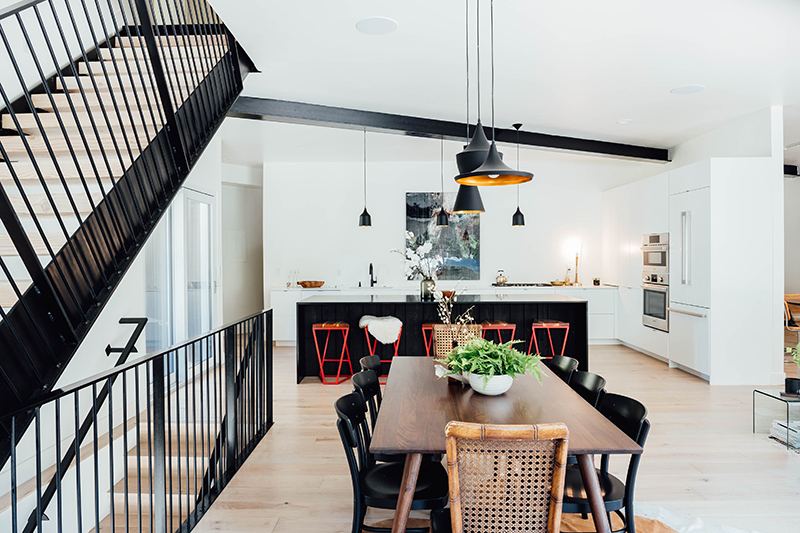 The kitchen opens up to the living-dining area, which has plenty of space to entertain guests and sits right against a sliding glass door that leads out to the deck.
From the deck area, gorgeous mountain views abound — perfect for soaking up that fresh mountain air.
The kitchen opens up to the living-dining area, which has plenty of space to entertain guests and sits right against a sliding glass door that leads out to the deck.
From the deck area, gorgeous mountain views abound — perfect for soaking up that fresh mountain air.
 The main suite upstairs is luxuriously complete with a steam shower in the bathroom and extra space that can be used as a home office or a nursery.
 Built in 1911, this property has a long, storied history. “At the turn of the century it was a blacksmith shop,” notes Dewing.
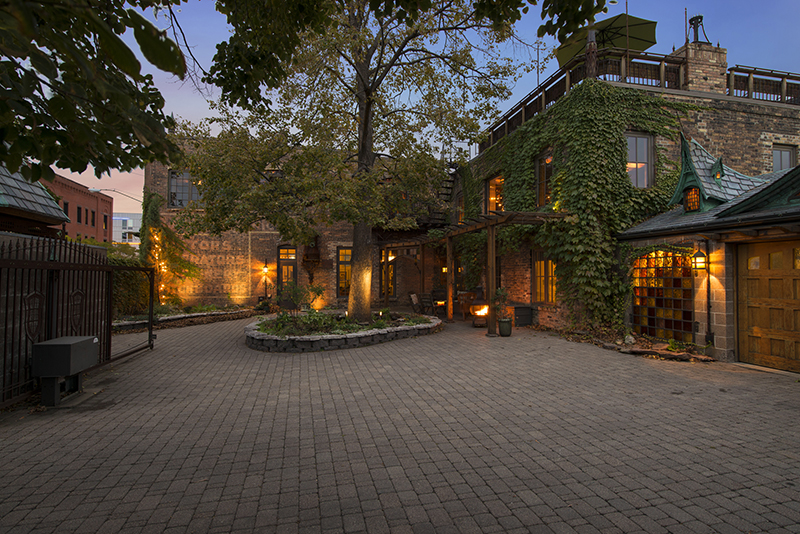
“After that, it was used for a few different commercial uses,” he continues. “One of those was an electric company called Flash.” On one of the building’s outer walls, you can just make out a decades-old painted advertisement from when the building was home to Flash Electric Company.
In the early 1980s, Sage and John Cowle converted the building into a residential and dance studio space, at the beginning of the revitalization of the Mississippi River waterfront in downtown. The Cowle family sold the building in 2002 to musician and restaurateur Jeff Arundel, whose extensive renovations have given it today’s whimsical castle look.
Built in 1911, this property has a long, storied history. “At the turn of the century it was a blacksmith shop,” notes Dewing.
“After that, it was used for a few different commercial uses,” he continues. “One of those was an electric company called Flash.” On one of the building’s outer walls, you can just make out a decades-old painted advertisement from when the building was home to Flash Electric Company.
In the early 1980s, Sage and John Cowle converted the building into a residential and dance studio space, at the beginning of the revitalization of the Mississippi River waterfront in downtown. The Cowle family sold the building in 2002 to musician and restaurateur Jeff Arundel, whose extensive renovations have given it today’s whimsical castle look.
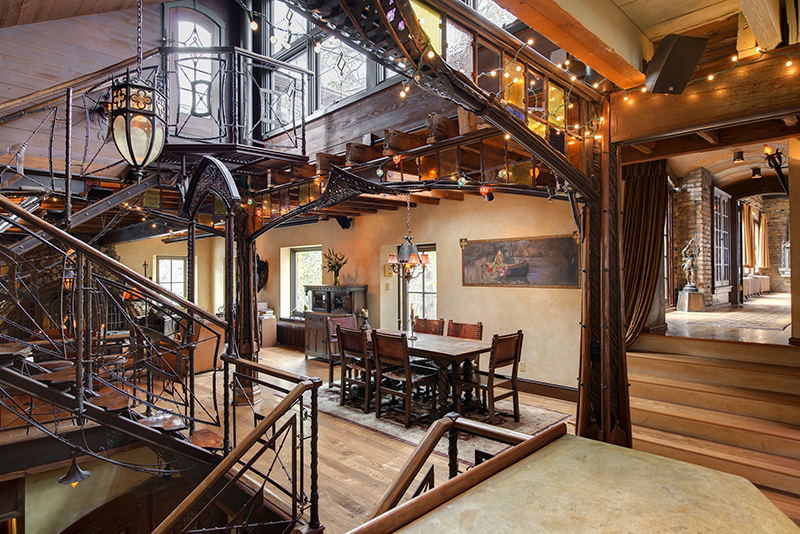 “It’s one of those houses that every time you go to it you notice some new and unique detail,” Dewing says.
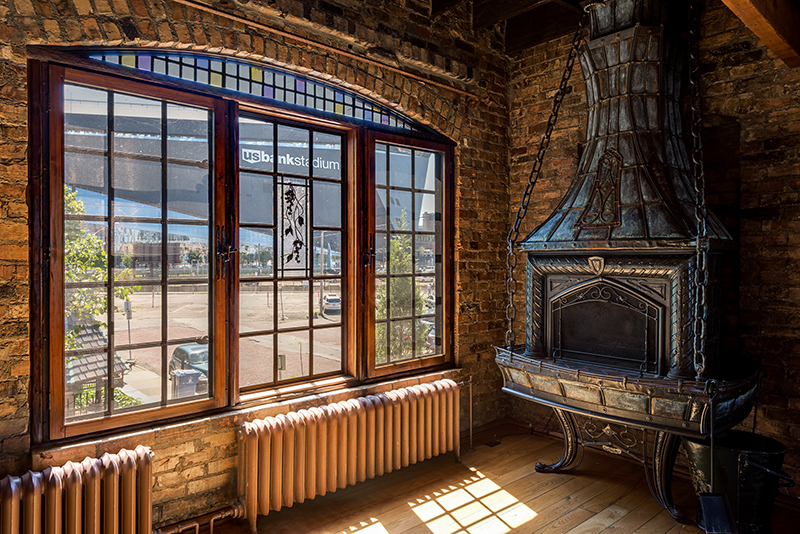
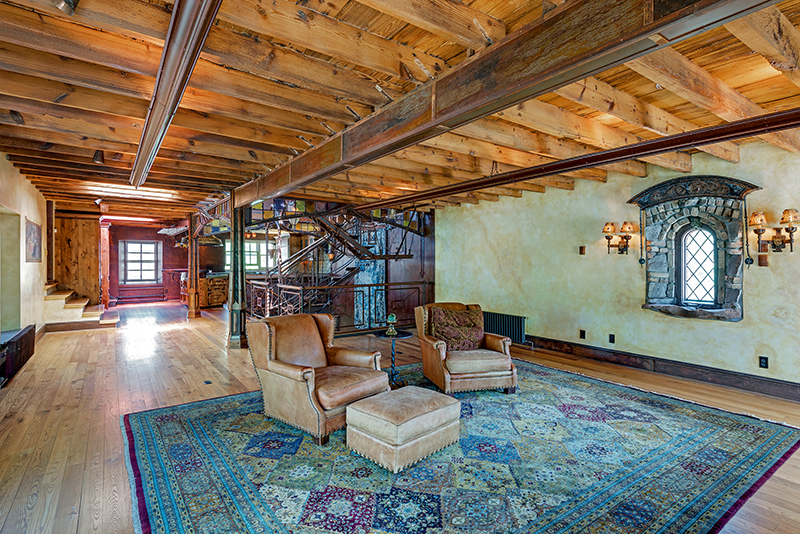
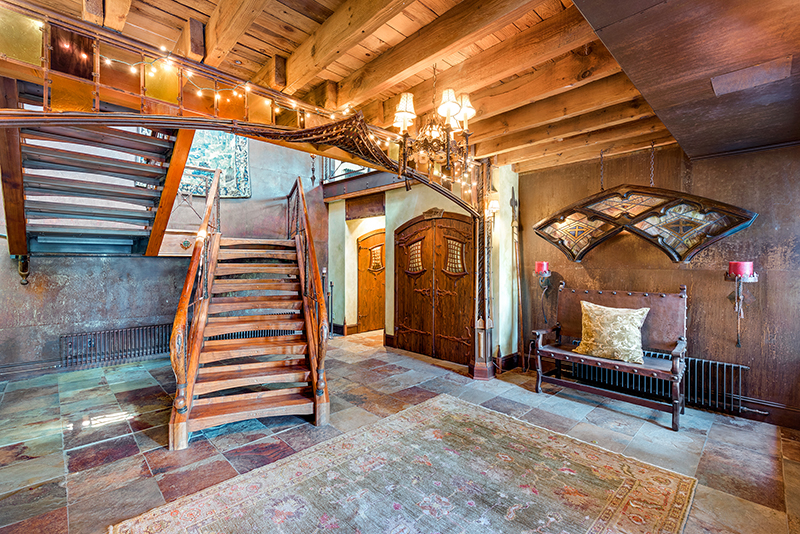 Some of the enchanting fixtures include an elaborate central wrought-iron staircase, stained-glass inset arches, a flagstone foyer, and rustic fireplaces in the living room and master bedroom. “Paul Tierney, who’s local in Minneapolis, made all of the metal work by hand,” says Dewing.
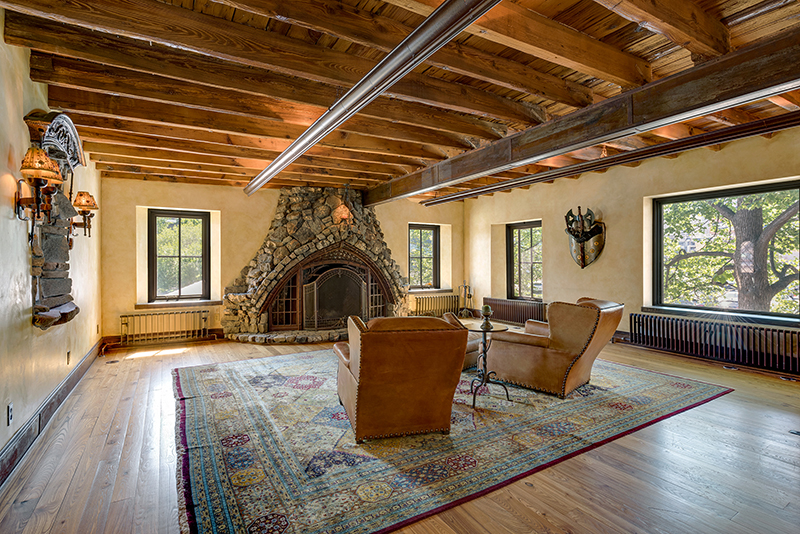 Every detail show’s an artist’s personal touch: Several carved faces peep out from the home’s intricate fixtures. A wooden face beams down from the staircase, and a metal face and hands point out from a downspout on the roof. An iron dragon sculpture keeps watch from the turret-topped entrance gate, as if waiting for a secret password.
 “One of the things that’s wonderful about the property is all the outdoor space,” says Dewing. Inside the cobblestone courtyard, a large mature tree shades the plantings below, and a porch juts out from the building to make space for a sitting area.
The building’s roof deck affords great views of sunsets and the skyline. There’s ample room for patio furniture — possibly even an owlery.
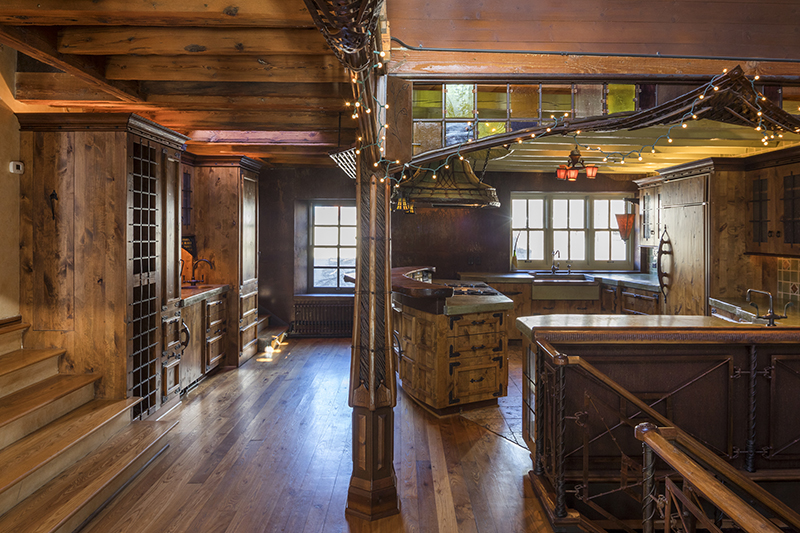
A window-lined first-floor hallway connects the house to a two-car garage. The kitchen boasts custom cabinets, and an island with bar-height counter, for mixing the most elaborate potions with ease.
“One of the things that’s wonderful about the property is all the outdoor space,” says Dewing. Inside the cobblestone courtyard, a large mature tree shades the plantings below, and a porch juts out from the building to make space for a sitting area.
The building’s roof deck affords great views of sunsets and the skyline. There’s ample room for patio furniture — possibly even an owlery.
A window-lined first-floor hallway connects the house to a two-car garage. The kitchen boasts custom cabinets, and an island with bar-height counter, for mixing the most elaborate potions with ease.
 The master bathroom’s deep green tilework serves as the perfect backdrop for a relaxing shower, or puzzling out a mysterious cipher.
 Though it has served for years as a residence, this property also has great commercial potential, for the enterprising witch or wizard.
Earlier this year, the property had been in talks to be purchased and made a brewery and taphouse.
Even in current showings, the interest has been almost an even split between residential, mixed use, and commercial. “People have looked at it as a restaurant space, a wine bar, and a commercial office space,” says Dewing.
This incredible urban castle is just waiting for the right people to harness its magic.
Though it has served for years as a residence, this property also has great commercial potential, for the enterprising witch or wizard.
Earlier this year, the property had been in talks to be purchased and made a brewery and taphouse.
Even in current showings, the interest has been almost an even split between residential, mixed use, and commercial. “People have looked at it as a restaurant space, a wine bar, and a commercial office space,” says Dewing.
This incredible urban castle is just waiting for the right people to harness its magic.
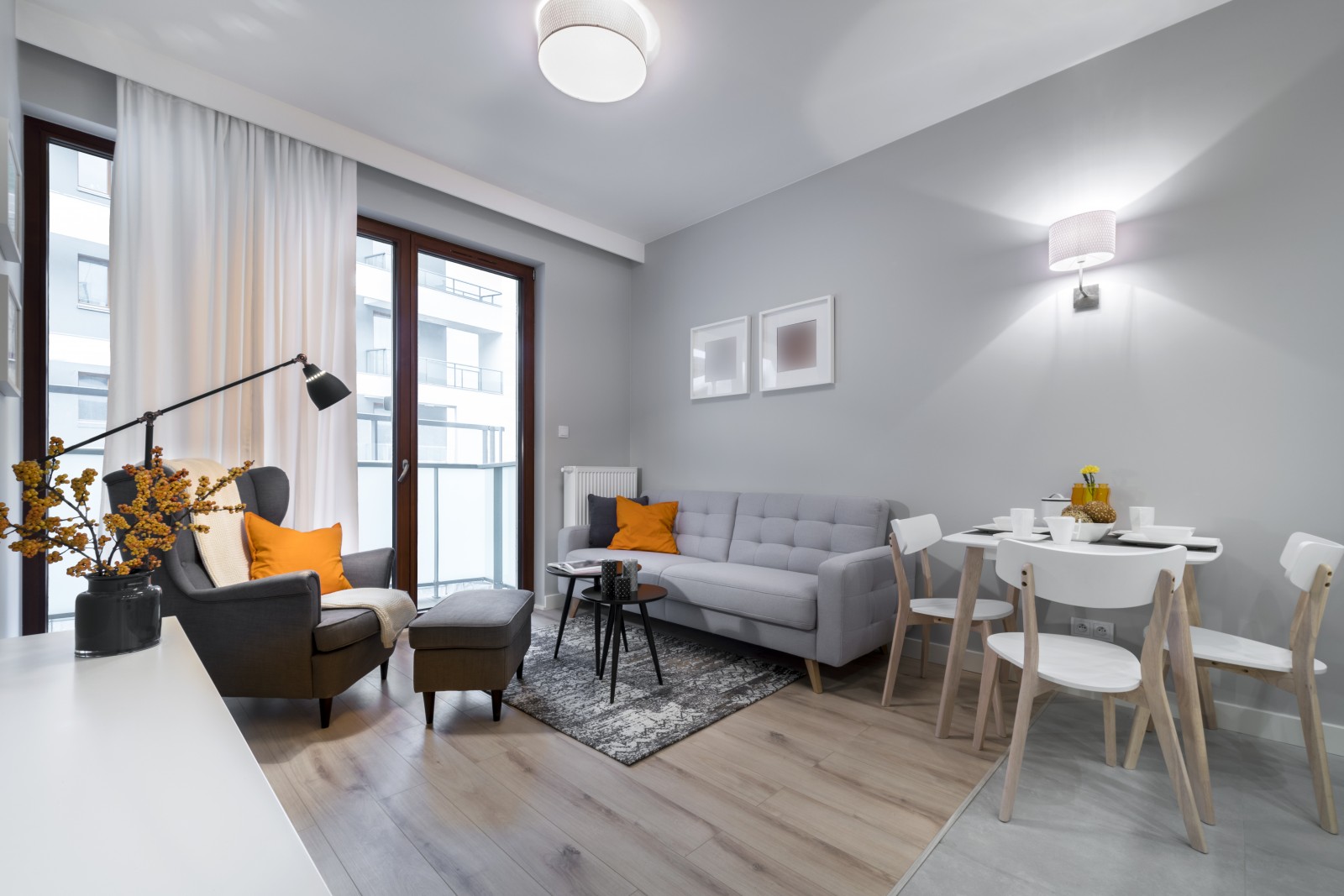 On the other hand, if you want to play up the small-space vibe even more, go bold with dark colors. You can emphasize the smallness of a room by making a cozy, den-like atmosphere with colors like black, dark gray and navy.
Whether you decide to go light or dark, adding paint to your small space will help you get the effect you’re going for, both quickly and affordably.
On the other hand, if you want to play up the small-space vibe even more, go bold with dark colors. You can emphasize the smallness of a room by making a cozy, den-like atmosphere with colors like black, dark gray and navy.
Whether you decide to go light or dark, adding paint to your small space will help you get the effect you’re going for, both quickly and affordably.
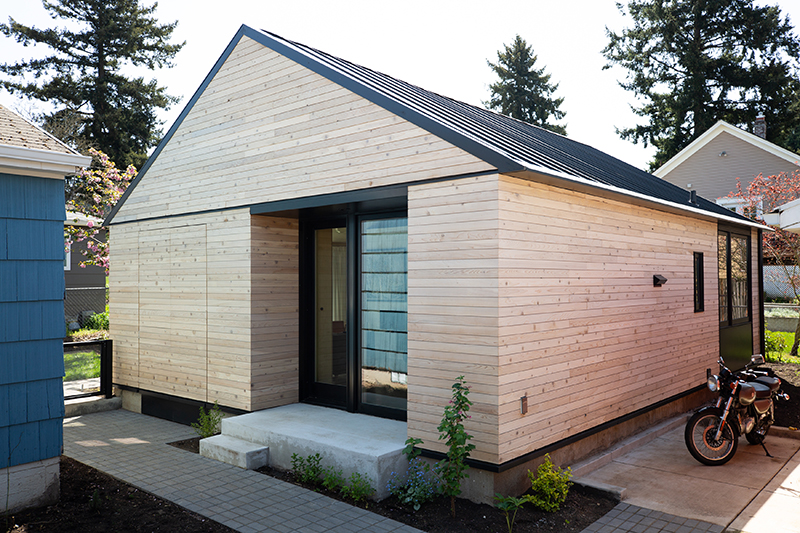 “We both lived in many compact-sized homes over the years, but they weren’t as well laid out as they could have been,” says Shumaker. “We knew with simple tweaks in the design, we could make small-space living function well for both of us.”
The couple worked together to design a home that catered to their specific needs — for example, an integrated dog door leading to the bedroom.
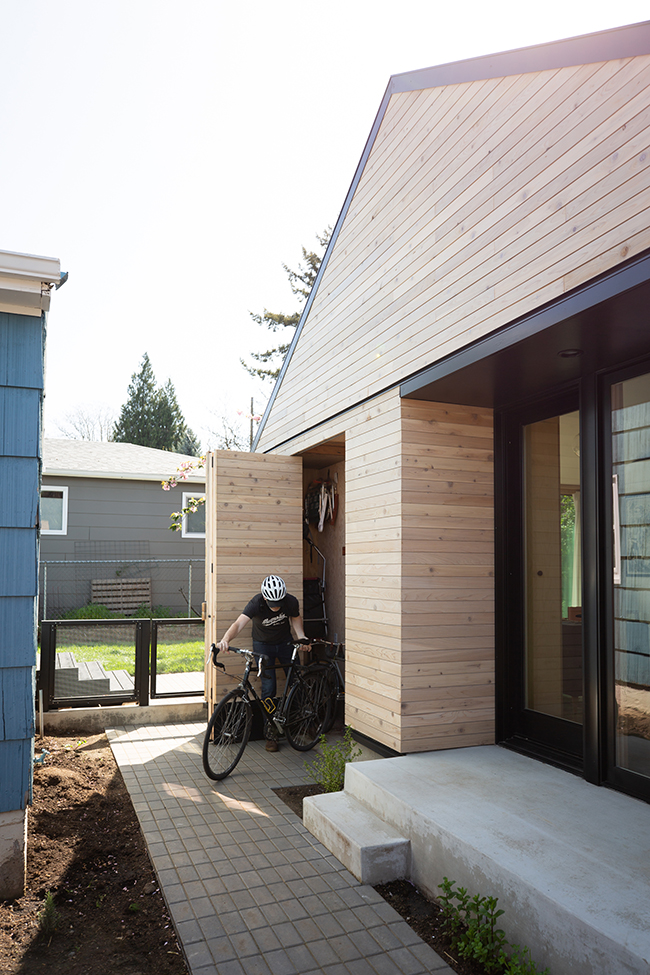
Built-in storage lines the outside of the house, providing ample space for outdoor equipment and bicycles, and generously sized windows wash every last inch of the home in natural light.
“We both lived in many compact-sized homes over the years, but they weren’t as well laid out as they could have been,” says Shumaker. “We knew with simple tweaks in the design, we could make small-space living function well for both of us.”
The couple worked together to design a home that catered to their specific needs — for example, an integrated dog door leading to the bedroom.
Built-in storage lines the outside of the house, providing ample space for outdoor equipment and bicycles, and generously sized windows wash every last inch of the home in natural light.
 All that sunshine did end up including one slightly unpleasant and unforeseen aspect, however.
“We opted to put a window in our shower enclosure for more light [and] air movement,” Shumaker says, “but water accumulates on the ledge and if we had to do it over again, we would probably avoid putting a window in that location.”
You live, you build a custom compact home with your spouse, you learn. That’s how that saying goes, right?
All that sunshine did end up including one slightly unpleasant and unforeseen aspect, however.
“We opted to put a window in our shower enclosure for more light [and] air movement,” Shumaker says, “but water accumulates on the ledge and if we had to do it over again, we would probably avoid putting a window in that location.”
You live, you build a custom compact home with your spouse, you learn. That’s how that saying goes, right?
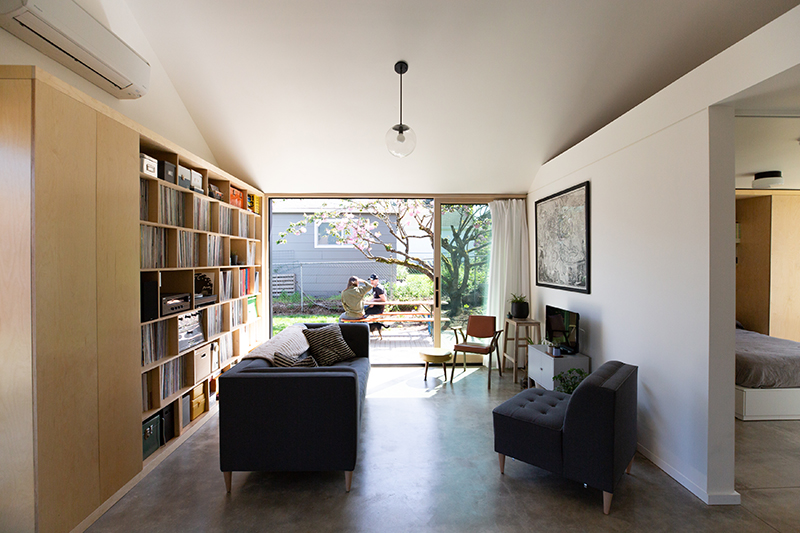
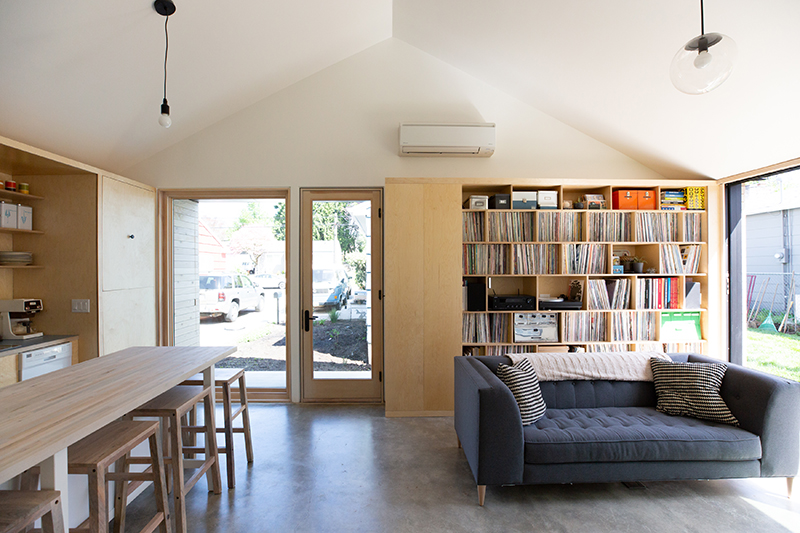 “We’re interested in living simply, economically, and sustainably, so living in a small, well-designed space fit our lifestyle,” Shumaker explains. “My partner and I love our new house. Functionally, it works great for both of us as there’s equal closet storage, it’s easy to clean, and compact yet has enough storage. Neither of us feels like we’ve had to make any compromises in our ability to live comfortably together.”
And something that helps to maintain that comfort? The classic “less is more” approach, according to Shumaker.
“We’re interested in living simply, economically, and sustainably, so living in a small, well-designed space fit our lifestyle,” Shumaker explains. “My partner and I love our new house. Functionally, it works great for both of us as there’s equal closet storage, it’s easy to clean, and compact yet has enough storage. Neither of us feels like we’ve had to make any compromises in our ability to live comfortably together.”
And something that helps to maintain that comfort? The classic “less is more” approach, according to Shumaker.
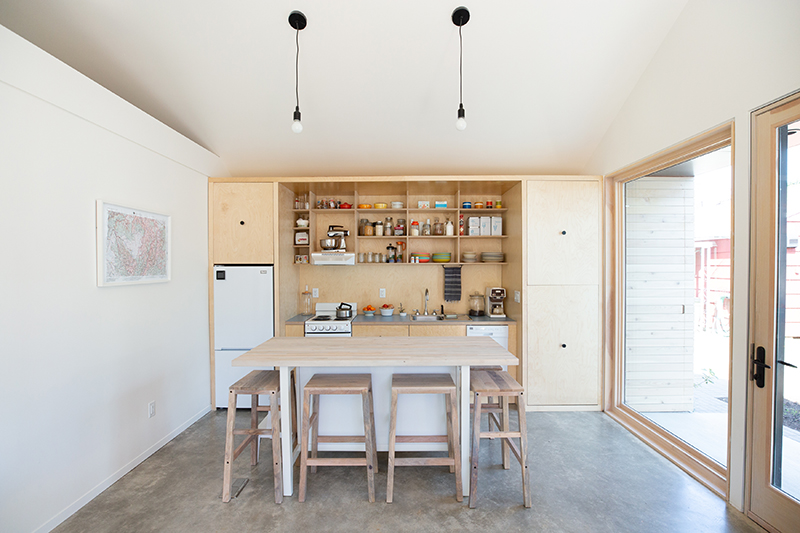 “We’ve found paring down is always the best policy, and we continue to be diligent regarding what comes in the house,” she says. “While we were previously living together in a smaller space, we still found ourselves going through round after round of purging before we moved into the new house.
“Fortunately, this enabled us to be thoughtful with what we introduced into our home, and now we’re happy to not have to worry about any additional clutter beyond what we use most frequently.”
Ask any aspiring home designer what romance looks like, and visions of tidying guru Marie Kondo and custom closet spaces would probably dance through their heads. If fairy tales were modernized, minimalism and clean design would surely be part of every couple’s happily-ever-after.
But in our real world of endless dream house Pinterest boards and wistful home design shows, the Shumaker-Mooney family doesn’t take their labor of love lightly.
“We feel lucky to have been able to see this through,” Shumaker says. “We love how the process of designing and building this home brought us closer together as a couple, [and] being able to enjoy the space we put so much heart into is the icing on the cake.”
“We’ve found paring down is always the best policy, and we continue to be diligent regarding what comes in the house,” she says. “While we were previously living together in a smaller space, we still found ourselves going through round after round of purging before we moved into the new house.
“Fortunately, this enabled us to be thoughtful with what we introduced into our home, and now we’re happy to not have to worry about any additional clutter beyond what we use most frequently.”
Ask any aspiring home designer what romance looks like, and visions of tidying guru Marie Kondo and custom closet spaces would probably dance through their heads. If fairy tales were modernized, minimalism and clean design would surely be part of every couple’s happily-ever-after.
But in our real world of endless dream house Pinterest boards and wistful home design shows, the Shumaker-Mooney family doesn’t take their labor of love lightly.
“We feel lucky to have been able to see this through,” Shumaker says. “We love how the process of designing and building this home brought us closer together as a couple, [and] being able to enjoy the space we put so much heart into is the icing on the cake.”

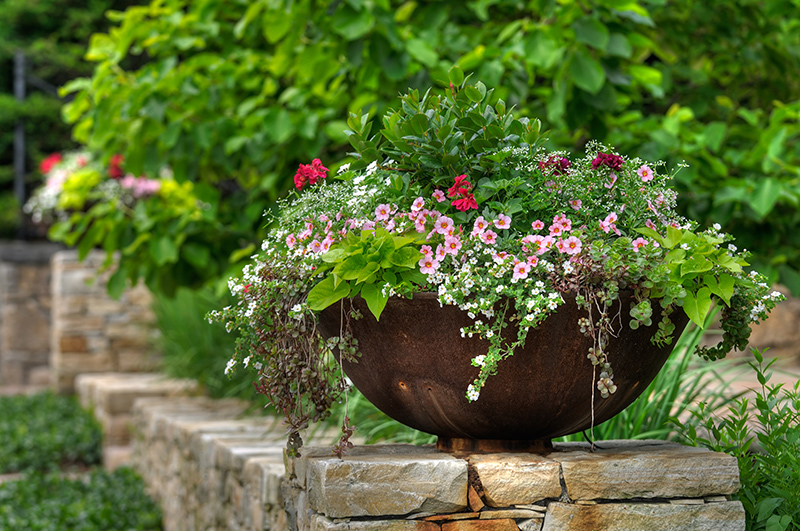
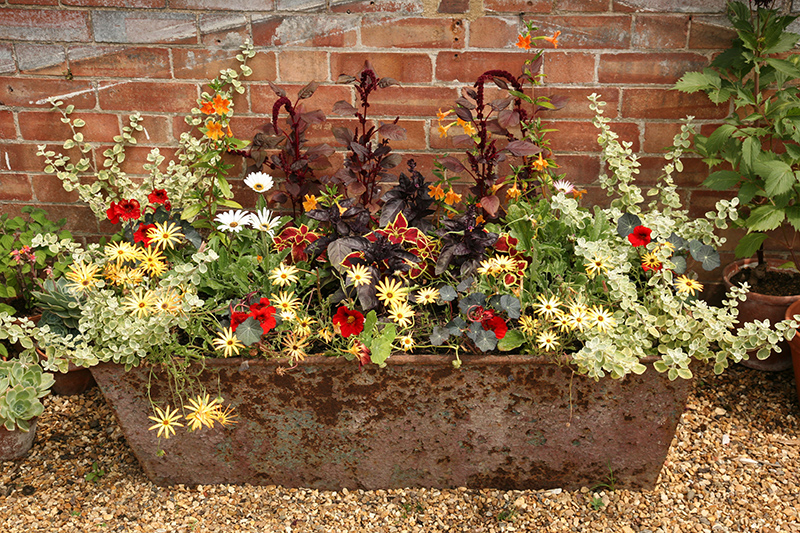
 An arrangement with a dramatic yucca surrounded by blooming portulaca and colorful sedum is low maintenance and high impact.
You can also add peat moss or coir to your potting mix before planting to help the container retain moisture. Whatever you do, though, choose a container with a drainage hole so the water can escape without stagnating and rotting your plants.
An arrangement with a dramatic yucca surrounded by blooming portulaca and colorful sedum is low maintenance and high impact.
You can also add peat moss or coir to your potting mix before planting to help the container retain moisture. Whatever you do, though, choose a container with a drainage hole so the water can escape without stagnating and rotting your plants.