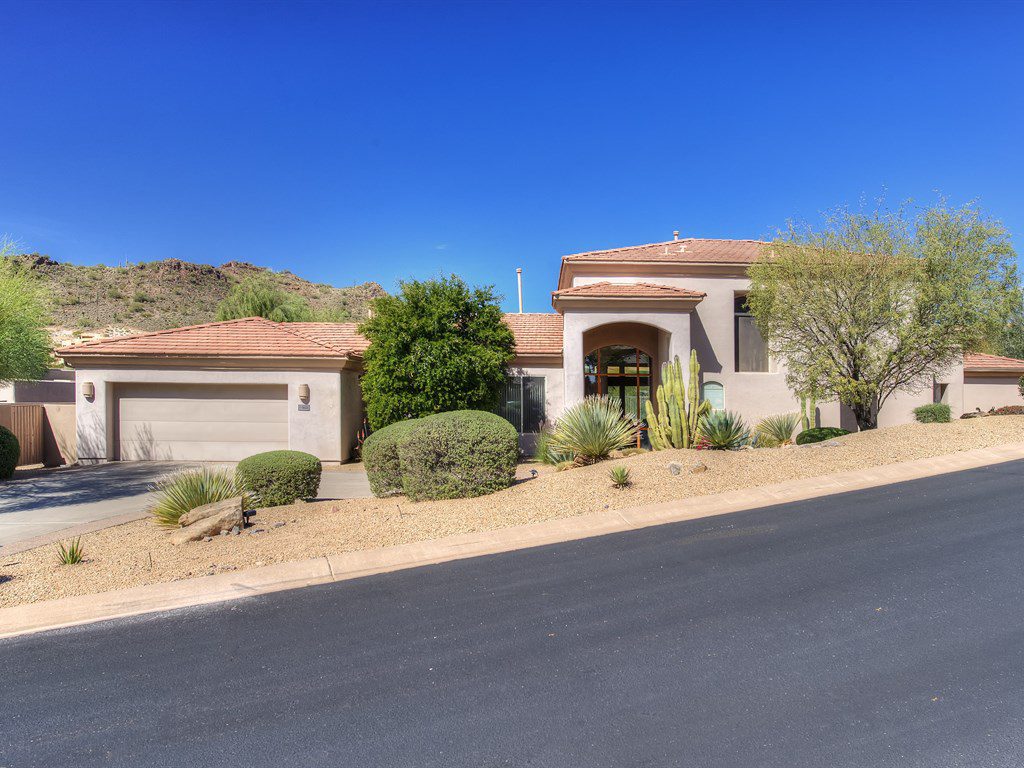
The affordable homes most likely to be sought after by first-time home buyers are also those most likely to be kept off the market because their current owners are in negative equity, or underwater. Underwater homeowners — those who owe more on their mortgages than their homes are worth — have a very difficult time listing and selling their homes, even if they want to, without engaging in a short sale or dipping into their savings.
Among all homeowners with a mortgage nationwide, roughly 1 in 3 (30.2 percent) who owned homes within the bottom third of home values were underwater in the first quarter, according to the first quarter Zillow Negative Equity Report. That’s almost three times as many as in the top third of homes (10.7 percent). Among the middle tier, 18.1 percent of homeowners with a mortgage were underwater in the first quarter.
The national negative equity rate fell to 18.8 percent in the first quarter, with almost 9.7 million American homeowners with a mortgage underwater. More than one-third of homeowners with a mortgage (36.9 percent) are effectively underwater, unable to sell their homes for enough profit to afford down payments on new ones and comfortably meet expenses related to selling, such as real estate agents’ fees and closing costs.

Please note that this Scottsdale Real Estate Blog is for informational purposes and not intended to take the place of a licensed Scottsdale Real Estate Agent. The Szabo Group offers first class real estate services to clients in the Scottsdale Greater Phoenix Metropolitan Area in the buying and selling of Luxury homes in Arizona. Award winning Realtors and Re/MAX top producers and best real estate agent for Luxury Homes in Scottsdale, The Szabo group delivers experience, knowledge, dedication and proven results. Contact Joe Szabo at 480.688.2020, info@ScottsdaleRealEstateTeam.com or visit www.scottsdalerealestateteam.com to find out more about Scottsdale Homes for Sale and Estates for Sale in Scottsdale and to search the Scottsdale MLS for Scottsdale Home Listings.“The unfortunate reality is that housing markets look to be swimming with underwater borrowers for years to come,” said Zillow Chief Economist Dr. Stan Humphries. “It’s hard to overstate just how much of a drag on the housing market negative equity really is, especially at the lower end of the market, which represents those homes typically most affordable for first-time buyers. Negative equity constrains inventory, which helps drive home values higher, which in turn makes those homes that are available that much less affordable.”
Negative equity has fallen for eight consecutive quarters, but fell at its lowest pace in almost two years in the first quarter as home value growth slowed. Negative equity fell from 25.4 percent in the first quarter of 2013 and 19.4 percent in the fourth quarter, while the pace of annual home value growth slowed to 5.7 percent in the first quarter, from 6.6 percent at the end of the fourth quarter. Looking ahead, the national negative equity rate is expected to fall to 17 percent of all homeowners with a mortgage by the first quarter of 2015, according to the Zillow Negative Equity Forecast. More underwater homeowners are freed from negative equity as home values rise, eventually surpassing the amount still owed on a mortgage. If home values rise more slowly, negative equity will recede more slowly. Homeowners are also freed from negative equity if their homes are foreclosed on, as homeowners’ debt is wiped from lenders’ books following foreclosure.
 By
By 



 According to Zillow Chief Economist Stan Humphries, home shoppers should expect to have more buying power this spring as more inventory comes onto the market and home prices start to level off. This slightly more balanced market is another step on the road back to normal, and will help offset the impact of rising mortgage rates and more expensive homes for buyers.
Inventory rose year-over-year in 82 percent of metro areas covered by Zillow, with the largest inventory gains coming in some of the areas that were hit hardest by the housing recession, including Las Vegas (up 42.8 percent), Phoenix (up 30.5 percent) and Sacramento (up 26 percent). These metros also experienced significant cooling in the pace of home value appreciation in January, as buyers had more homes to choose from and were less apt to engage in the kinds of bidding wars that helped drive prices up so quickly last year.
Want to know what the current state of the housing market is where you live? Dive into Zillow’s data, available all the way down to ZIP code and neighborhood levels,
According to Zillow Chief Economist Stan Humphries, home shoppers should expect to have more buying power this spring as more inventory comes onto the market and home prices start to level off. This slightly more balanced market is another step on the road back to normal, and will help offset the impact of rising mortgage rates and more expensive homes for buyers.
Inventory rose year-over-year in 82 percent of metro areas covered by Zillow, with the largest inventory gains coming in some of the areas that were hit hardest by the housing recession, including Las Vegas (up 42.8 percent), Phoenix (up 30.5 percent) and Sacramento (up 26 percent). These metros also experienced significant cooling in the pace of home value appreciation in January, as buyers had more homes to choose from and were less apt to engage in the kinds of bidding wars that helped drive prices up so quickly last year.
Want to know what the current state of the housing market is where you live? Dive into Zillow’s data, available all the way down to ZIP code and neighborhood levels,