
 By Joe Szabo, Scottsdale Real Estate Team
What should you look for when inspecting your roof? The National Roofing Contractors Association (NRCA) recommends you do a roof inspection at least two times a year — spring and fall. The best place to begin is inside your house — grab a flashlight and make a trip to the attic.
Here are four things to look for on the inside:
1) Places where the roof deck is sagging
2) Signs of water damage or leaking
3) Dark spots and trails
4) Outside light showing through the roof.
Exterior check
When you take a look at the exterior of the roof, pay attention to such things as damaged flashing, missing shingles, curling, blistering, buckling, rotting and algae growth (which occurs most often in humid climates and appears as dark or greenish stains).
What to check on the outside:
5) Visually inspect your roof for cracked, torn, bald or missing shingles.
6) Scan the roof for loose material or wear around chimneys, vents, pipes or other penetrations.
7) Watch out for an excessive amount of shingle granules (they look like large grains of sand) in the gutters — this is a sign of advanced wear.
8) Check for signs of moisture, rot or mold. Note that wet spots may not be directly under your faulty shingle; water can travel down to its lowest spot before it drips. Mold, fungi and bacteria can grow quickly — within 24 to 48 hours of a water-related problem.
9) Examine the drainage, and make sure gutters and downspouts are securely attached. Also ensure all drains are open and allow water to exit, and all gutters and downspouts are free of debris.
10) Check that all bath, kitchen and dryer vents go entirely outside of your home, not just into the attic space.
What’s the roof made of?
Dean Bennett, president of Dean Bennett Design and Construction, Inc. in Castle Rock, Colorado, says determining when you need a new roof also depends on roofing material as well as the part of the country in which you live. With that in mind, he offers tips on the following roofing materials:
By Joe Szabo, Scottsdale Real Estate Team
What should you look for when inspecting your roof? The National Roofing Contractors Association (NRCA) recommends you do a roof inspection at least two times a year — spring and fall. The best place to begin is inside your house — grab a flashlight and make a trip to the attic.
Here are four things to look for on the inside:
1) Places where the roof deck is sagging
2) Signs of water damage or leaking
3) Dark spots and trails
4) Outside light showing through the roof.
Exterior check
When you take a look at the exterior of the roof, pay attention to such things as damaged flashing, missing shingles, curling, blistering, buckling, rotting and algae growth (which occurs most often in humid climates and appears as dark or greenish stains).
What to check on the outside:
5) Visually inspect your roof for cracked, torn, bald or missing shingles.
6) Scan the roof for loose material or wear around chimneys, vents, pipes or other penetrations.
7) Watch out for an excessive amount of shingle granules (they look like large grains of sand) in the gutters — this is a sign of advanced wear.
8) Check for signs of moisture, rot or mold. Note that wet spots may not be directly under your faulty shingle; water can travel down to its lowest spot before it drips. Mold, fungi and bacteria can grow quickly — within 24 to 48 hours of a water-related problem.
9) Examine the drainage, and make sure gutters and downspouts are securely attached. Also ensure all drains are open and allow water to exit, and all gutters and downspouts are free of debris.
10) Check that all bath, kitchen and dryer vents go entirely outside of your home, not just into the attic space.
What’s the roof made of?
Dean Bennett, president of Dean Bennett Design and Construction, Inc. in Castle Rock, Colorado, says determining when you need a new roof also depends on roofing material as well as the part of the country in which you live. With that in mind, he offers tips on the following roofing materials:
- Cedar: A cedar roof in need of repair or replacement will split and fall apart in dry climates. In moist climates, it will get mossy. The lifespan of a cedar roof is about 20 years.
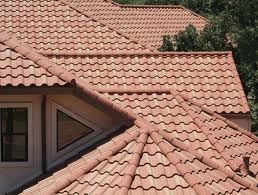
- Tile: “Look for broken or cracked tiles,” Bennett says, “but don’t walk on the roof to do so or the tiles will break. Tile roofs can last up to 100 years, but individual tiles can break. They can be replaced, but only by a specialist.”
- Concrete: should never need replacing