 By Joe Szabo, Scottsdale Real Estate Team
Summer may be lazy and hazy, but in many areas of the country, it’s also a time of sweating and sweltering in scorching temperatures. To cope, homeowners employ a variety of methods to ensure a steady supply of cool, fresh air.
These cooling solutions include a wide variety of fans and in-home ventilation systems as well as some tried-and-true techniques from the days before air conditioning. Here’s how to keep your whole home cool this season.
By Joe Szabo, Scottsdale Real Estate Team
Summer may be lazy and hazy, but in many areas of the country, it’s also a time of sweating and sweltering in scorching temperatures. To cope, homeowners employ a variety of methods to ensure a steady supply of cool, fresh air.
These cooling solutions include a wide variety of fans and in-home ventilation systems as well as some tried-and-true techniques from the days before air conditioning. Here’s how to keep your whole home cool this season.
The advent of air conditioners
By far the most common form of cooling in the United States is air conditioning, which can be found in more than 88 percent of new single-family homes constructed today. Keeping the house comfortable this way, however, can be a costly investment in terms of both equipment and energy use — we’re talking an average $400 household electric bill from June to August. So it makes good sense to carefully evaluate your home’s cooling options to select the right system to meet your needs.Keeping comfortable and cost-friendly
No matter what unit or system you choose, how you adjust your thermostat determines your ultimate savings on your electric bill. Start by setting the temperature as high as is still comfortable, keeping the difference between indoor and outdoor temperatures as small as possible. Take advantage of the “energy saver” mode on window units, and use programmable thermostats for multiroom or whole-house systems so your machines don’t do extra work to cool the place when nobody is home. When you’re ready to cool down, don’t drop immediately to an extremely cold temperature — starting that low won’t speed up the cooling process, but it will make your machine work harder and expend more energy. If you want to offer your machine — and your energy bills — a little relief, proper ventilation in your home can certainly aid your cool-down efforts. Ventilation improves indoor air quality, removes moisture and odors, and allows fresh, cool outside breezes to be exchanged for stuffy indoor air. Start boosting your home’s natural ventilation simply by opening doors and windows, especially in the evenings. Encourage airflow by installing ceiling fans, window fans, and attic exhaust fans to push hot air outside and draw cooler air into your home. In the summer months, ceiling fans should be set to run in a counterclockwise direction, drawing cooler air up from the floor. A whole-house attic exhaust fan will pull hot air into the attic, where attic vents can dissipate the heat. Even positioning a few portable fans near windows or a basement door at night can draw the cooler air from these areas into the home.Regular maintenance for maximum cool down
With a variety of cooling practices in place, you’ll want to maximize the efficiency of your efforts by performing proper maintenance.- Seal the deal. Make sure you have adequate insulation in the walls and ceilings to keep hot air out and cool air in. Caulk leaking windows and doors, and use draft “snakes” to cover the gaps at the bottom of these entry points. Adding aluminum blinds, insulated curtains, or window tint film can block even more sunlight from entering your home and heating up the place during the day.
- Change your filter. This quick and easy chore reduces the burden on your air conditioner, improves indoor air quality, and helps you — and your air conditioner — breathe easier. Check the filter once a month and clean out any dust particles that might clog the system, forcing it to work harder and waste energy.
- Clean the coils. An air conditioner’s coils and fins on the outside of the unit should be kept unobstructed and cleaned regularly. Use a soft-bristle nylon brush to gently remove any debris, and hose off any leaves or caked-on dirt. Clean the inside coils using the soft brush attachment on your vacuum cleaner, or wipe down with a soft, damp cloth.
- Call in a pro. Even though much of keeping your home cool can be considered do-it-yourself work, it is still important to call in a reputable HVAC contractor regularly. An annual system tune-up can help ensure that your air conditioning system is working efficiently and will go a long way toward prolonging the useful life of the components.

 cleaned and stored. Check hoses for cracks, holes or other faults, store propane tanks away from your home if you have a gas grill, don’t cover or put away your grill until it has cooled, rinse charcoal with cool water before disposing of it, and keep a fire extinguisher nearby. Don’t grill in an enclosed area.
While grownups man the grill, kids may choose to jump around on the trampoline. Nearly 105,000 children visited emergency rooms last year for injuries caused by trampolines, according to the Consumer Product Safety Commission.
To prevent injuries, don’t take shortcuts when assembling the trampoline. Furthermore, pad the bars, springs and the surrounding areas, and get the trampoline as close to ground level as possible to reduce potential impact if a jumper falls.
Always supervise trampoline use, and let your insurance provider know about this type of addition to your home. You need a fence around it for the same reason you need one around a swimming pool on your property.
cleaned and stored. Check hoses for cracks, holes or other faults, store propane tanks away from your home if you have a gas grill, don’t cover or put away your grill until it has cooled, rinse charcoal with cool water before disposing of it, and keep a fire extinguisher nearby. Don’t grill in an enclosed area.
While grownups man the grill, kids may choose to jump around on the trampoline. Nearly 105,000 children visited emergency rooms last year for injuries caused by trampolines, according to the Consumer Product Safety Commission.
To prevent injuries, don’t take shortcuts when assembling the trampoline. Furthermore, pad the bars, springs and the surrounding areas, and get the trampoline as close to ground level as possible to reduce potential impact if a jumper falls.
Always supervise trampoline use, and let your insurance provider know about this type of addition to your home. You need a fence around it for the same reason you need one around a swimming pool on your property.
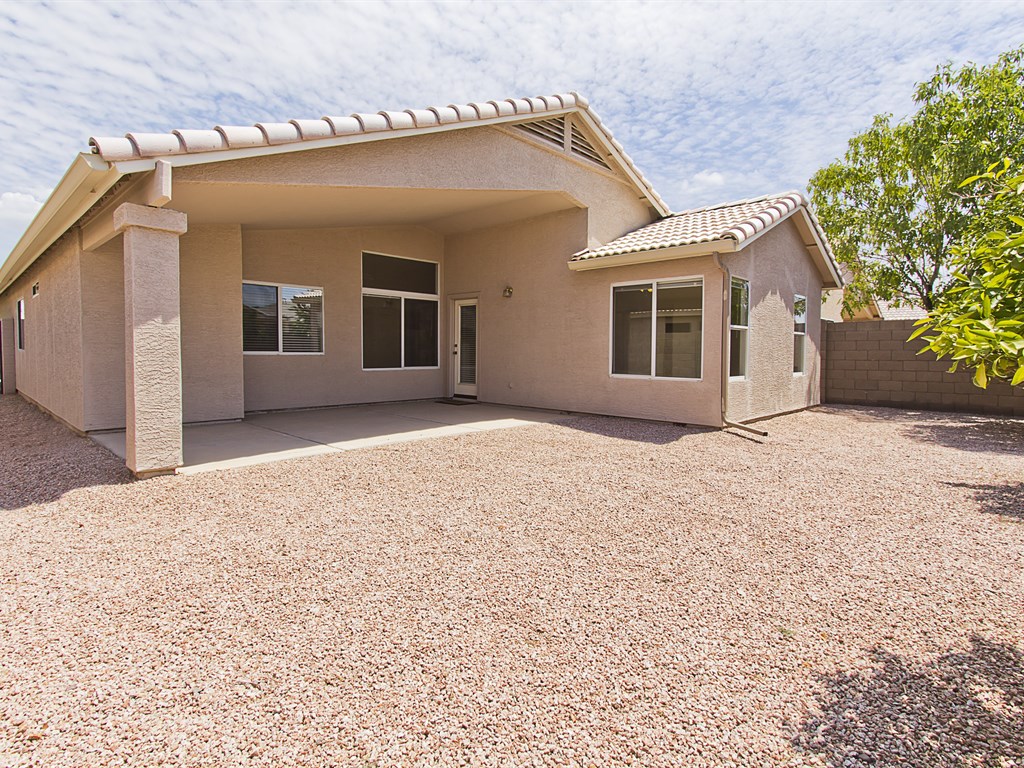
 For the most part, open houses are just that — open. They make it possible for anyone to see a property in a certain time period, without an appointment or even being a very serious buyer.
New buyers should leverage the open house opportunity to get a feel for the market. In today’s world, using online search tools, mobile apps and the open house, a buyer can start to get a feel for pricing and the market before committing to an agent. Most importantly, open houses are some of the best ways for buyer and agent relationships to start.
For the most part, open houses are just that — open. They make it possible for anyone to see a property in a certain time period, without an appointment or even being a very serious buyer.
New buyers should leverage the open house opportunity to get a feel for the market. In today’s world, using online search tools, mobile apps and the open house, a buyer can start to get a feel for pricing and the market before committing to an agent. Most importantly, open houses are some of the best ways for buyer and agent relationships to start.